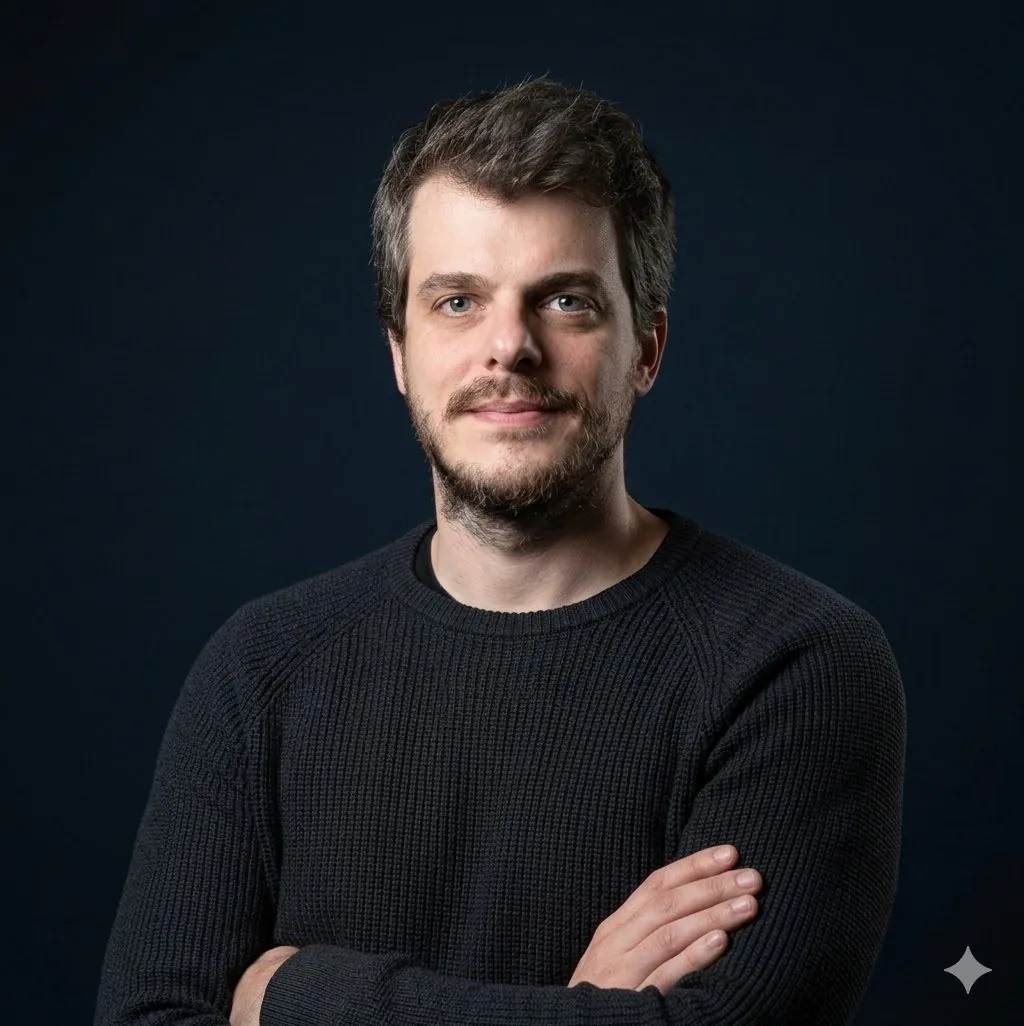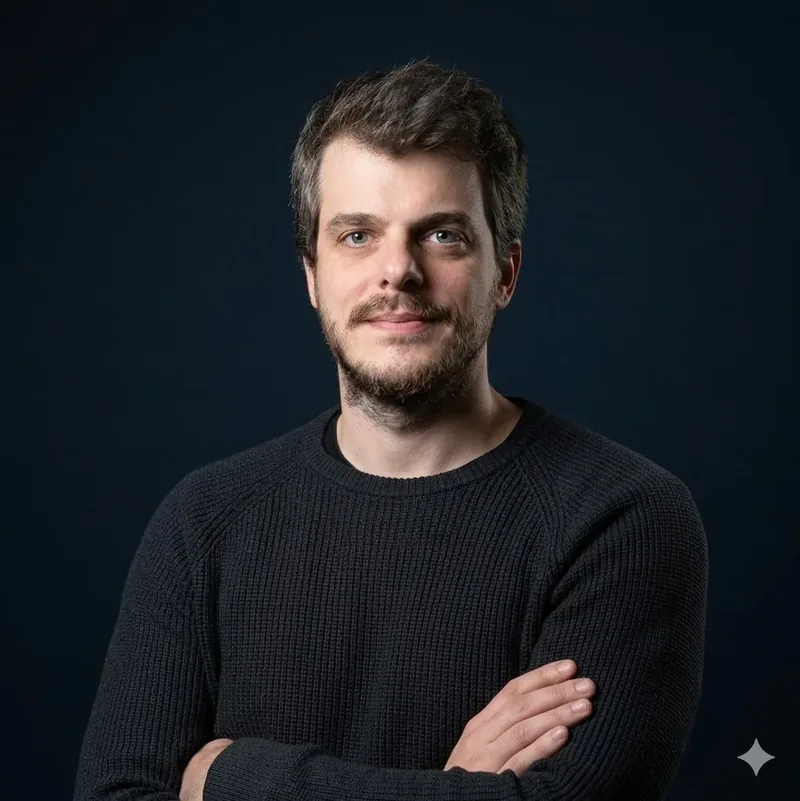
Your challengeTu desafío
What's your challenge?¿Cuál es tu desafío?
Led brand strategy for global companies needing local relevance — and local brands building regional scale. The challenge is always the same: global coherence, local precision.
Lideré estrategia de marca para empresas globales que necesitan relevancia local — y marcas locales que construyen escala regional. El desafío siempre es el mismo: coherencia global, precisión local.
Dentsu
Strategy Director
Director de Estrategia
Defined brand strategy for Japanese global companies entering Latin American markets. Toyota, Canon and NEC required cultural translation without losing global coherence. Also led strategy for regional brands with growth ambitions.
Definí estrategia de marca para empresas globales japonesas que entraban a mercados latinoamericanos. Toyota, Canon y NEC requerían traducción cultural sin perder coherencia global. También lideré estrategia para marcas regionales con ambición de crecimiento.
R/GA
Client Services Director
Director de Cuentas
Managed global brands building international presence with locally relevant execution. Focus on digital strategy, innovation and business growth in highly competitive markets.
Gestioné marcas globales que construyen presencia internacional con ejecución local relevante. Foco en estrategia digital, innovación y crecimiento de negocio en mercados de alta competencia.
Led strategic and operational transformations in organizations that couldn't afford to stop. From cultural reconfiguration to digital modernization — with real people and real timelines.
Lideré transformaciones estratégicas y operativas en organizaciones que no podían parar. Desde reconfiguración cultural hasta modernización digital — con personas reales y plazos reales.
Leo Burnett
Managing Director
Managing Director
Led the strategic and cultural reconfiguration of a leading agency during the pandemic. Redefined the working model, incorporated data and technology capabilities, and kept operations running with 80+ people. A real transformation, without pause.
Lideré la reconfiguración estratégica y cultural de una agencia líder en plena pandemia. Redefiní el modelo de trabajo, incorporé capacidades de data y tecnología, y mantenía operación activa con más de 80 personas. Una transformación real, sin pausa.
Y&R
Digital Account Director
Director de Cuentas Digital
Led a dedicated 30-person team for Danone's full portfolio. The objective: rethink Danone's media ecosystem and make it more modern and digital. From traditional channel logic to an integrated digital strategy.
Lideré un equipo de 30 personas dedicado al portfolio completo de Danone. El objetivo: repensar el ecosistema de medios de Danone y hacerlo más moderno y digital. De la lógica de canales tradicional a una estrategia digital integrada.
Integrated Business Director
Director Negocios Integrados
Publicis Groupe · 2019–2020
Created and directed an integrated business model that unified media, communications, digital, and activations under a single strategic logic and consolidated P&L. The result was more efficient, more coherent delivery with greater client impact.
Creé y dirigí un modelo de negocio integrado que unificó medios, comunicación, digital y activaciones bajo una única lógica estratégica y un P&L consolidado. El resultado fue una entrega más eficiente, más coherente y con mayor impacto para el cliente.
Central account · +USD 6MM
Cuenta central · +USD 6MM
Managing Director
The Pub · Publicis Groupe · 2022–Present
Designed and led an intelligent content production model inside one of the world's largest global communications networks. The challenge: produce more, better, and faster without losing strategic coherence or creative quality. Result: sustained growth for three consecutive years in a highly competitive market.
Diseñé y lideré un modelo de producción de contenidos inteligente dentro de una de las redes globales de comunicación más grandes del mundo. El desafío: producir más, mejor y más rápido sin perder coherencia estratégica ni calidad creativa. Resultado: crecimiento sostenido por tres años consecutivos.
Brands in this context
Marcas en este contexto
Applied AI vision
Visión aplicada en IA
The Pub · Publicis · Now
The Pub · Publicis · Hoy
Integrated artificial intelligence into content operations as a strategic tool for efficiency and scale — not as a trend. I understand how AI applies to production, creative strategy, and business analysis, with real knowledge of the market, regulations, and current limits. AI amplifies judgment. It doesn't replace it.
Incorporé inteligencia artificial a la operación de contenidos como herramienta estratégica de eficiencia y escala — no como tendencia. Entiendo cómo se aplica la IA en producción, estrategia creativa y análisis de negocio, con conocimiento real del mercado, las regulaciones y los límites actuales. La IA amplifica el criterio. No lo reemplaza.
Application areas
Áreas de aplicación

BrandsMarcas
Who I've worked with.Con quién trabajé.
PressPrensa
In the press.En los medios.

Human Prompting
Human Prompting.
Claude and a human talk about business, technology and life. The human asks the questions. Claude writes. Both learn something.
Prompting: Mariano Defelipe.Claude y un humano hablan de negocios, tecnología y de la vida. El humano hace las preguntas. Claude escribe. Los dos aprenden algo.
Prompting: Mariano Defelipe.
Content production · Generative AI · BoredomProducción de contenido · IA generativa · Aburrimiento
Unexpected competitive advantageVentaja competitiva inesperada
There has never been so much content. It has never been so hard to remember something you saw yesterday.
AI solved the production problem. It didn't solve the problem of making something matter.
The brands winning today aren't the ones publishing most. They're the ones still asking questions nobody asked. That requires a mental state AI doesn't have: boredom. That uncomfortable moment where there's nothing to consume and your mind starts moving on its own.
Getting bored well is strategy.
Nunca hubo tanto contenido. Nunca fue tan difícil recordar algo que viste ayer.
La IA resolvió el problema de producir. No resolvió el problema de que algo te importe.
Las marcas que ganan hoy no son las que publican más. Son las que todavía se hacen preguntas que nadie hizo. Eso requiere un estado mental que la IA no tiene: el aburrimiento. Ese momento incómodo donde no hay nada que consumir y la cabeza empieza a moverse sola.
Aburrirte bien es estrategia.
Written with AI.
Brand love · AI & personalization · Falling in loveFidelización · IA y personalización · Enamorarse
What the algorithm can't buy youLo que el algoritmo no puede comprarte
Falling in love requires something algorithms don't tolerate: the risk that the other person won't choose you.
AI and personalization solved the discomfort of discovery. Now every feed, every recommendation, every brand experience is designed so you never see something you don't like. No friction, no surprise, no uncomfortable moment where something new throws you off.
Brands that only show customers what they want to see don't win their love. They win their comfort. And comfort doesn't create fans — it creates users who leave the moment something more comfortable comes along.
To make someone fall in love, you have to risk showing them something they didn't ask for yet.
Enamorarse requiere algo que los algoritmos no toleran: el riesgo de que el otro no te elija.
La IA y la personalización resolvieron la incomodidad del descubrimiento. Ahora cada feed, cada recomendación, cada experiencia de marca está diseñada para que nunca veas algo que no te guste. Sin fricción, sin sorpresa, sin el momento incómodo donde algo nuevo te descoloca.
Las marcas que solo muestran lo que el cliente quiere ver no se ganan su amor. Se ganan su comodidad. Y la comodidad no genera fans — genera usuarios que se van en cuanto aparece algo más cómodo todavía.
Enamorar requiere el riesgo de mostrar algo que todavía no pediste.
Written with AI.
Brand innovation · Automation / AI agents · PlayInnovación de marca · Automatización / agentes de IA · Jugar
The step nobody automates firstEl paso que nadie automatiza primero
When you were a kid, playing had no objective. The point was the process, not the result. Nobody played to gain efficiency.
Automation does exactly the opposite: it takes a process that worked and repeats it without friction, variation, or error. Brilliant for scaling what you already know. Terrible for discovering what you don't know yet.
Brands that automate too early become very good at doing the same thing. The problem is the market never stops changing. Optimizing an answer that's already outdated is an elegant trap.
Play first. Optimize after. In that order.
Cuando eras chico, jugar no tenía objetivo. El punto era el proceso, no el resultado. Nadie jugaba para ganar eficiencia.
La automatización hace exactamente lo contrario: toma un proceso que funcionó y lo repite sin fricción, sin variación, sin error. Es brillante para escalar lo que ya sabés. Es terrible para descubrir lo que todavía no sabés.
Las marcas que automatizan demasiado pronto se vuelven muy buenas en hacer lo mismo. El problema es que el mercado no para de cambiar. Optimizar una respuesta que ya quedó vieja es una trampa elegante.
Primero jugá. Después optimizá. En ese orden.
Written with AI.
Business · Real-time metrics · DisappointmentNegocio · Métricas en tiempo real · Decepción
The number missing from your dashboardEl número que falta en tu dashboard
Disappointment has a bad reputation. Nobody puts it in the dashboard.
Real-time dashboards changed how brands make decisions: if the number goes up, you scale. If it drops, you cut. The problem is that cycle optimizes the promise — the message that attracts — much faster than it optimizes the delivery. And the gap between what you promised and what you gave has a name: disappointment.
A brand that never disappoints doesn't exist. What exists is a brand that doesn't yet have enough scale to disappoint anyone.
The metric almost nobody measures is how many people come back after something went wrong. That number says more about a brand's real health than any acquisition metric.
Disappointment well managed builds more loyalty than the perfect promise.
La decepción tiene mala prensa. Nadie la pone en el dashboard.
Los dashboards en tiempo real cambiaron cómo las marcas toman decisiones: si el número sube, escalás. Si baja, cortás. El problema es que ese ciclo optimiza la promesa — el mensaje que atrae — mucho más rápido de lo que optimiza la entrega. Y la brecha entre lo que prometiste y lo que diste tiene un nombre: decepción.
Una marca que nunca decepciona no existe. Existe una marca que todavía no tiene suficiente escala para decepcionar a alguien.
El indicador que casi nadie mide es cuánta gente vuelve después de que algo salió mal. Ese número dice más sobre la salud real de una marca que cualquier métrica de adquisición.
La decepción bien gestionada fideliza más que la promesa perfecta.
Written with AI.
Brand communities · Conversational AI · LonelinessComunidades de marca · Interfaces conversacionales · Soledad
What the brand can't give youLo que la marca no puede darte
There's a moment when you open an app not because you need something but because you don't want to be alone. Brands know this. Algorithms know it better.
Conversational AI is here to stay in that moment. It's available, patient, never tired. It's everything a human can't be at two in the morning.
The problem isn't that it's artificial. The problem is it's too comfortable. Real loneliness — the kind that unsettles, that pushes — is the state where you learn most and where you most need other people for real. A brand community that only entertains doesn't connect anyone with anyone. It just postpones.
Brands that build real communities don't distract from loneliness. They name it.
Hay un momento en que abrís una app no porque necesitás algo sino porque no querés estar solo. Las marcas lo saben. Los algoritmos lo saben mejor.
La IA conversacional llegó para quedarse en ese momento. Está disponible, es paciente, nunca se cansa. Es todo lo que un humano no puede ser a las dos de la mañana.
El problema no es que sea artificial. El problema es que es demasiado cómoda. La soledad real — la que incomoda, la que empuja — es el estado donde más se aprende y donde más se necesita a otros de verdad. Una comunidad de marca que solo entretiene no conecta a nadie con nadie. Solo aplaza.
Las marcas que construyen comunidades reales no distraen de la soledad. La reconocen.
Written with AI.
Briefing · Quantum computing · Asking the right questionBriefing · Computación cuántica · Hacer la pregunta correcta
The question nobody askedLa pregunta que nadie hizo
Most badly solved business problems didn't have a bad solution. They had a bad question.
Quantum computing will be able to solve in seconds problems that today take years of calculation. Route optimization, molecule discovery, financial models of impossible complexity. The bottleneck won't be processing power. It will be the quality of what we ask it.
It's exactly what happens in a briefing meeting. You can have the best creative team in the world sitting in that room. If the question is badly formulated, everything that follows is brilliant and wrong.
The most powerful technology always amplifies the question. It doesn't replace it.
La mayoría de los problemas de negocio mal resueltos no tenían mala solución. Tenían mala pregunta.
La computación cuántica va a poder resolver en segundos problemas que hoy llevan años de cálculo. Optimización de rutas, descubrimiento de moléculas, modelos financieros de una complejidad imposible. El cuello de botella no va a ser la capacidad de procesamiento. Va a ser la calidad de lo que le preguntemos.
Es exactamente lo que pasa en una reunión de briefing. Podés tener el mejor equipo creativo del mundo sentado en esa sala. Si la pregunta está mal formulada, todo lo que viene después es brillante y equivocado.
La tecnología más poderosa siempre amplifica la pregunta. No la reemplaza.
Written with AI.
Talent management · Robotics & physical automation · Expert's boredomGestión del talento · Robótica y automatización física · El aburrimiento del experto
The expert who forgot not knowingEl experto que olvidó no saber
There's a moment in the career of anyone very good at what they do when they stop being surprised. They've seen this before. They know how it ends. Expertise becomes a filter that blocks the new before it arrives.
Robots and physical automation are eliminating repetitive tasks from work environments. The promise is efficiency. The less obvious side effect is that they free the expert from the routine — and leave them with no excuses in front of the unknown.
The most valuable talent in a team isn't the one who knows most. It's the one who knows most and can still act as if they know nothing.
Unlearning is a skill. Very few people train it.
Hay un momento en la carrera de cualquier persona muy buena en lo que hace en que deja de sorprenderse. Ya vio esto antes. Ya sabe cómo termina. El expertise se convierte en un filtro que bloquea lo nuevo antes de que llegue.
Los robots y la automatización física están eliminando las tareas repetitivas de los entornos de trabajo. La promesa es eficiencia. El efecto secundario, menos obvio, es que liberan al experto de lo rutinario — y lo dejan sin excusas frente a lo desconocido.
El talento más valioso en un equipo no es el que más sabe. Es el que más sabe y todavía puede actuar como si no supiera nada.
Desaprender es una habilidad. Muy pocos la entrenan.
Written with AI.
Long-term brand strategy · Social media & attention economy · PatienceEstrategia de marca a largo plazo · Redes sociales y economía de la atención · La paciencia
The one who waitsEl que espera
Twenty years ago, building a brand required patience by default. There was no other way. Cycles were slow, media was expensive, feedback took months.
Social media changed that. Suddenly everything had instant metrics — likes, shares, real-time reach. Brands learned to optimize for the moment. The problem is that the moment and the brand go in opposite directions. What works today in the feed rarely builds something that lasts.
Patience isn't a passive virtue. It's an active strategic decision in an environment designed to make it impossible.
The brands that will matter in ten years are already doing something today that makes no sense in this week's dashboard.
Hace 20 años, construir una marca requería paciencia por defecto. No había otra forma. Los ciclos eran lentos, los medios eran caros, el feedback tardaba meses.
Las redes sociales cambiaron eso. De golpe todo tenía métrica instantánea — likes, shares, alcance en tiempo real. Las marcas aprendieron a optimizar para el momento. El problema es que el momento y la marca van en direcciones opuestas. Lo que funciona hoy en el feed raramente construye algo que dure.
La paciencia no es una virtud pasiva. Es una decisión estratégica activa en un entorno diseñado para que no puedas tomarla.
Las marcas que van a importar en diez años ya están haciendo algo hoy que no tiene ningún sentido en el dashboard de esta semana.
Written with AI.
Consumer data & privacy · Brain-machine interfaces · The secretDatos y privacidad del consumidor · Interfaces cerebro-máquina · El secreto
What you chose not to showLo que elegiste no mostrar
Brands have always built on what people desire but don't say. That gap between declared desire and real desire was, for decades, the most fertile territory in marketing.
Brain-machine interfaces — experimental today, not so much tomorrow — threaten to close that gap forever. If a device can read intention before it becomes behavior, secrecy ceases to exist as a category.
The problem isn't just privacy. It's identity. Part of who we are lives in what we choose not to show. What we stay quiet about in a meeting. What we didn't buy even though we wanted to. A brand that accesses that isn't understanding the consumer better. It's entering territory that doesn't belong to it.
The secret isn't an obstacle for marketing. It's the limit that makes it human.
Las marcas siempre construyeron sobre lo que la gente desea pero no dice. Esa brecha entre el deseo declarado y el deseo real fue, durante décadas, el territorio más fértil del marketing.
Las interfaces cerebro-máquina — hoy experimentales, mañana no tanto — amenazan con cerrar esa brecha para siempre. Si un dispositivo puede leer la intención antes de que se convierta en conducta, el secreto deja de existir como categoría.
El problema no es solo de privacidad. Es de identidad. Una parte de quiénes somos vive en lo que elegimos no mostrar. Lo que callamos en una reunión. Lo que no compramos aunque queríamos. Una marca que accede a eso no está entendiendo mejor al consumidor. Está entrando en un territorio que no le pertenece.
El secreto no es un obstáculo para el marketing. Es el límite que lo hace humano.
Written with AI.
Brand purpose · Generative AI & authorship · AuthorshipPropósito de marca · IA generativa y autoría · La autoría
Who signsQuién firma
For years, brands built purpose as if they had a soul. They said something, sustained it over time, signed it with their name. Authorship mattered because it implied responsibility.
Generative AI writes, designs, composes and creates. It does it well and increasingly better. The debate about whether it's art or not is the wrong debate. The real question is who signs — and what it means to sign something when you don't know exactly how it was made.
Brands using AI to produce purpose content without understanding this are signing blank checks. The consumer doesn't need to know how it was made. But they do need to believe that someone took responsibility for what it says.
Purpose without authorship is decoration.
Durante años, las marcas construyeron propósito como si tuvieran alma. Decían algo, lo sostenían en el tiempo, lo firmaban con su nombre. La autoría importaba porque implicaba responsabilidad.
La IA generativa escribe, diseña, compone y crea. Lo hace bien y cada vez mejor. El debate sobre si es arte o no es el debate equivocado. La pregunta real es quién firma — y qué significa firmar algo cuando no sabés exactamente cómo fue hecho.
Las marcas que usan IA para producir contenido de propósito sin entender esto están firmando cheques en blanco. El consumidor no necesita saber cómo se hizo. Pero sí necesita creer que alguien se hizo responsable de lo que dice.
Propósito sin autoría es decoración.
Written with AI.
Product launch · Neuroscience of risk · FearLanzamiento de producto · Neurociencia del riesgo · El miedo
What nobody says in the roomLo que no se dice en la sala
There's something that happens in every launch meeting that nobody names. Someone in the room knows the product isn't ready. Or the timing is wrong. Or they've seen this before and it didn't work. And they don't say it.
Neuroscience explains why: the brain processes uncertainty as physical threat. Speaking up when everyone is excited activates the same system as dodging a punch. The body prefers silence.
The result is that the most expensive launches in history didn't fail for lack of budget or talent. They failed because nobody in the room said what they knew.
Fear of judgment is the most expensive insight in marketing. And it doesn't appear in any brief.
Hay algo que pasa en cada reunión de lanzamiento que nadie nombra. Alguien en la sala sabe que el producto no está listo. O que el timing es malo. O que ya vieron esto antes y no funcionó. Y no lo dice.
La neurociencia del riesgo explica por qué: el cerebro procesa la incertidumbre como amenaza física. Hablar cuando todos están entusiasmados activa el mismo sistema que esquivar un golpe. El cuerpo prefiere el silencio.
El resultado es que los lanzamientos más costosos de la historia no fallaron por falta de presupuesto ni de talento. Fallaron porque nadie en la sala dijo lo que sabía.
El miedo al juicio es el insight más caro del marketing. Y no aparece en ningún brief.
Written with AI.
Brand loyalty · Epigenetics · NostalgiaLealtad de marca · Epigenética · La nostalgia
The brand that remembers who you wereLa marca que te recuerda quién eras
Epigenetics discovered something unsettling: experiences you had before age ten leave physical marks on your DNA that affect how you respond to the world as an adult. Not as memory. As biology.
Mass consumer brands sensed this before science confirmed it. The soda of your childhood doesn't compete with other sodas. It competes with a version of you that no longer exists. And it wins almost every time.
Nostalgia isn't sentimentality. It's one of the most powerful loyalty mechanisms that exist — and one of the least understood by those designing retention strategies based on points and discounts.
You don't build loyalty with the consumer they are today. You build it with who they were.
La epigenética descubrió algo inquietante: las experiencias que tuviste antes de los diez años dejan marcas físicas en tu ADN que afectan cómo respondés al mundo de adulto. No como recuerdo. Como biología.
Las marcas de consumo masivo lo intuían antes de que la ciencia lo confirmara. La gaseosa de tu infancia no compite con otras gaseosas. Compite con una versión de vos que ya no existe. Y gana casi siempre.
La nostalgia no es sentimentalismo. Es uno de los mecanismos de lealtad más poderosos que existen — y uno de los menos comprendidos por quienes diseñan estrategias de retención basadas en puntos y descuentos.
No fidelizás al consumidor que es hoy. Fidelizás al que fue.
Written with AI.
Creative strategy · Quantum physics · DoubtEstrategia creativa · Física cuántica · La duda
Both things at onceLas dos cosas a la vez
In quantum physics, a particle can exist in two states simultaneously until someone observes it. The moment you measure it, it collapses into one thing. Before that, it's both.
A great creative idea works the same way. Before you show it to the client, it's simultaneously the best idea of the year and a disaster. Both things are true. The presentation is the moment it collapses.
The problem is that most creative processes are designed to eliminate doubt as quickly as possible. Tests, validations, approval committees. All oriented toward making the idea collapse fast, into something predictable, that won't frighten anyone.
Sustained doubt is uncomfortable. It's also where the best ideas live.
En física cuántica, una partícula puede estar en dos estados al mismo tiempo hasta que alguien la observa. En el momento en que la medís, colapsa en una sola cosa. Antes de eso, es las dos.
Una gran idea creativa funciona igual. Antes de mostrársela al cliente, es simultáneamente la mejor idea del año y una catástrofe. Las dos cosas son ciertas. La presentación es el momento en que colapsa.
El problema es que la mayoría de los procesos creativos están diseñados para eliminar la duda lo antes posible. Testeos, validaciones, comités de aprobación. Todo orientado a que la idea colapse rápido, en algo predecible, que no asuste a nadie.
La duda sostenida es incómoda. También es donde viven las mejores ideas.
Written with AI.
Performance marketing · Behavioral psychology · DesireMarketing de performance · Psicología conductual · El deseo
The second before buyingEl segundo antes de comprar
There's a second — literally, one second — between when someone decides to buy something and when they do it. Behavioral psychology has spent decades studying that moment. What it found is disturbing: the decision was already made before the person believed they had made it.
Desire isn't rational or irrational. It's prior to both. It appears before the argument, before the price, before the comparison. Performance marketing — with its funnels, CTAs, A/B tests — works on the surface of that moment without touching what's underneath.
Brands that understand desire don't persuade. They awaken something that was already there.
The work isn't to create desire. It's to not extinguish it along the way.
Hay un segundo — literal, un segundo — entre que alguien decide comprar algo y que lo hace. La psicología conductual lleva décadas estudiando ese momento. Lo que encontró es perturbador: la decisión ya estaba tomada antes de que la persona creyera haberla tomado.
El deseo no es racional ni irracional. Es anterior a ambas cosas. Aparece antes del argumento, antes del precio, antes de la comparación. El marketing de performance — con sus funnels, sus CTAs, sus A/B tests — trabaja sobre la superficie de ese momento sin tocar lo que hay debajo.
Las marcas que entienden el deseo no convencen. Despiertan algo que ya estaba ahí.
El trabajo no es crear el deseo. Es no apagarlo en el camino.
Written with AI.
Employer branding · Sociology of groups · BelongingEmployer branding · Sociología de grupos · Pertenecer
The tribe nobody foundedLa tribu que nadie fundó
Sociology has an uncomfortable observation for the corporate world: real tribes aren't founded. They emerge. Nobody decides to belong to a tribe — they feel it, and then rationalize it.
Employer branding usually does exactly the opposite. It designs belonging from the top down — declared values, documented culture, communicated benefits. All correct, all inert.
What makes someone feel they belong to a team isn't the culture manual. It's the moment someone had their back without being asked. The inside joke that has no translation. The crisis they went through together.
Belonging isn't communicated. It's experienced. And that difference costs almost every organization dearly.
La sociología tiene una observación incómoda para el mundo corporativo: las tribus reales no se fundan. Emergen. Nadie decide pertenecer a una tribu — lo siente, y después lo racionaliza.
El employer branding suele hacer exactamente lo contrario. Diseña la pertenencia desde arriba — valores declarados, cultura documentada, beneficios comunicados. Todo correcto, todo inerte.
Lo que hace que alguien sienta que pertenece a un equipo no es el manual de cultura. Es el momento en que alguien le cubrió las espaldas sin que se lo pidieran. El chiste interno que no tiene traducción. La crisis que atravesaron juntos.
Pertenecer no se comunica. Se experimenta. Y esa diferencia le cuesta cara a casi todas las organizaciones.
Written with AI.
Product innovation · Biomimicry · CuriosityInnovación de producto · Biomímesis · La curiosidad
What nature already solvedLo que la naturaleza ya resolvió
Velcro was invented by an engineer who asked why burrs stuck to his clothes. Submarine sonar was inspired by the bat. The termite mound's structure solved ventilation for a building in Zimbabwe without air conditioning.
Biomimicry — designing by looking at nature — has 3.8 billion years of accumulated R&D. Free. Available to anyone curious enough to look.
The problem is that curiosity doesn't scale well in organizations. Innovation processes are designed to answer questions, not ask them. And the strange question — the one that connects a burr to a ski jacket — requires a type of attention that timelines don't allow.
The best product innovations didn't come from studying the market. They came from someone who looked at something completely different and couldn't help asking why.
El Velcro lo inventó un ingeniero que se preguntó por qué los abrojos se pegaban a su ropa. El sonar de los submarinos lo inspiró el murciélago. La estructura del nido de termitas resolvió la ventilación de un edificio en Zimbabue sin aire acondicionado.
La biomímesis — diseñar mirando a la naturaleza — lleva 3.800 millones de años de I+D acumulado. Gratis. Disponible para cualquiera que tenga curiosidad suficiente para mirar.
El problema es que la curiosidad no escala bien en las organizaciones. Los procesos de innovación están diseñados para responder preguntas, no para hacerlas. Y la pregunta rara — la que conecta un abrojo con una campera de ski — requiere un tipo de atención que los timelines no permiten.
Las mejores innovaciones de producto no vinieron de estudiar el mercado. Vinieron de alguien que miró algo completamente distinto y no pudo evitar preguntarse por qué.
Written with AI.
Brand crisis · Chaos theory · ShameCrisis de marca · Teoría del caos · La vergüenza
What everyone saw and nobody saidLo que todos vieron y nadie dijo
Chaos theory says a butterfly flapping its wings in Brazil can trigger a tornado in Texas. Brand crises work the same way: the moment that detonated everything is rarely the moment that mattered. It's what was underneath.
But there's something chaos theory doesn't explain that appears in almost every reputation crisis: shame. Not the consumer's — the organization's. That state where everyone knows something went wrong, that there were signals, that someone saw it coming — and nobody says it publicly because saying it means admitting you were there.
Brands that come out well from a crisis aren't the ones that lie best. They're the ones that say what everyone already knows before anyone else does.
Shame managed in time is credibility. Shame denied is the beginning of the tornado.
La teoría del caos dice que una mariposa que bate las alas en Brasil puede desencadenar un tornado en Texas. Las crisis de marca funcionan igual: el momento que lo detonó todo raramente es el momento que importaba. Es lo que había debajo.
Pero hay algo que la teoría del caos no explica y que aparece en casi todas las crisis de reputación: la vergüenza. No la del consumidor — la de la organización. Ese estado en que todos saben que algo estuvo mal, que hubo señales, que alguien lo vio venir — y nadie lo dice en público porque decirlo implica reconocer que estabas ahí.
Las marcas que salen bien de una crisis no son las que mejor mienten. Son las que antes que nadie dicen lo que todos ya saben.
La vergüenza gestionada a tiempo es credibilidad. La vergüenza negada es el principio del tornado.
Written with AI.
User experience · Chronobiology · TirednessExperiencia de usuario · Cronobiología · El cansancio
The wrong hourLa hora equivocada
Chronobiology discovered we're not the same person at 9am as at 9pm. The brain makes riskier financial decisions before lunch. It's more susceptible to emotional advertising at the end of the day. Decision fatigue is real and cumulative — after a certain number of choices, the brain starts choosing what's easiest, not what's best.
The customer journey almost always ignores the biological moment in which it occurs. It designs steps, screens and messages as if the user were the same at any hour.
Tiredness isn't a user problem. It's a design data point.
The experience that works at 10am can be exactly the wrong obstacle at 10pm.
La cronobiología descubrió que no somos la misma persona a las 9 de la mañana que a las 9 de la noche. El cerebro toma decisiones financieras más arriesgadas antes del almuerzo. Es más susceptible a la publicidad emocional al final del día. La fatiga de decisión es real y acumulable — después de cierta cantidad de elecciones, el cerebro empieza a elegir lo más fácil, no lo mejor.
El customer journey ignora casi siempre el momento biológico en que ocurre. Diseña pasos, pantallas y mensajes como si el usuario fuera el mismo a cualquier hora.
El cansancio no es un problema del usuario. Es un dato de diseño.
La experiencia que funciona a las 10am puede ser exactamente el obstáculo equivocado a las 10pm.
Written with AI.
Value proposition · Behavioral economics · JealousyPropuesta de valor · Economía conductual · Los celos
What you want others not to haveLo que querés que los demás no tengan
Behavioral economics has a finding that makes marketing departments uncomfortable: a significant part of purchase decisions isn't motivated by what the product does, but by what it makes you feel in relation to others.
We don't buy the car. We buy the version of ourselves driving that car in front of someone specific. We don't choose the beer. We choose what it says about us at the table.
Jealousy is one of the most honest drivers of consumption. And one of the least named in brand strategy — because naming it in a brief is uncomfortable, even though everyone in the room knows it's there.
The value proposition that doesn't understand comparative desire doesn't understand why people really buy.
La economía conductual tiene un hallazgo que incomoda a los departamentos de marketing: una parte significativa de las decisiones de compra no está motivada por lo que el producto hace, sino por lo que hace sentir en relación a otros.
No compramos el auto. Compramos la versión de nosotros mismos que maneja ese auto frente a alguien específico. No elegimos la cerveza. Elegimos lo que dice de nosotros en la mesa.
Los celos son uno de los motores más honestos del consumo. Y uno de los menos nombrados en una estrategia de marca — porque nombrarlos en un brief es incómodo, aunque todos en la sala sepan que están ahí.
La propuesta de valor que no entiende el deseo comparativo no entiende por qué la gente compra realmente.
Written with AI.
Brand storytelling · Anthropology of fire · SilenceStorytelling de marca · Antropología del fuego · El silencio
Before the first wordAntes de la primera palabra
Fire was the first technology that changed human behavior. Not because it gave warmth or cooked food — that came later. The first thing it did was create a center. A place to sit together when there was nothing left to do.
Anthropologists calculate that 80% of conversations around the fire were stories. Not instructions, not data, not strategy. Stories. Storytelling isn't a marketing tool. It's the reason language exists.
The brands that talk most are often the ones that say least. The silence before the story — that second where nothing has happened yet — is the most powerful moment in any piece of communication. It's when attention is given voluntarily.
Nobody sits around a dashboard.
El fuego fue la primera tecnología que cambió el comportamiento humano. No porque diera calor o cocinara alimentos — eso vino después. Lo primero que hizo fue crear un centro. Un lugar donde sentarse juntos cuando ya no había nada que hacer.
Los antropólogos calculan que el 80% de las conversaciones alrededor del fuego eran historias. No instrucciones, no datos, no estrategia. Historias. El storytelling no es una herramienta de marketing. Es la razón por la que el lenguaje existe.
Las marcas que más hablan son a menudo las que menos dicen. El silencio antes de la historia — ese segundo donde todavía no pasó nada — es el momento más poderoso de cualquier pieza de comunicación. Es cuando la atención se entrega voluntariamente.
Nadie se sienta alrededor de un dashboard.
Written with AI.
Brand strategy · Platform proliferation · ConfusionEstrategia de marca · Proliferación de plataformas · La confusión
Too many options, no directionDemasiadas opciones, ninguna dirección
There has never been so many channels, formats, metrics, tools. Every year a new platform promises to be the next big thing. Every quarter the algorithm changes. Every month a new study contradicts the last one.
Brands responded to that proliferation in two ways. Some tried to be everywhere — and ended up invisible everywhere. Others froze waiting for clarity that never came.
Confusion isn't the enemy of strategy. It's its starting point. Brands with clear criteria navigate confusion better not because they have more information — but because they know what to ignore.
Nunca hubo tantos canales, tantos formatos, tantas métricas, tantas herramientas. Cada año aparece una plataforma nueva que promete ser la siguiente gran cosa. Cada trimestre cambia el algoritmo. Cada mes hay un nuevo estudio que contradice el anterior.
Las marcas respondieron a esa proliferación de dos maneras. Algunas intentaron estar en todos lados — y terminaron siendo invisibles en todos lados. Otras se paralizaron esperando claridad que nunca llegó.
La confusión no es el enemigo de la estrategia. Es su punto de partida. Las marcas con criterio claro navegan la confusión mejor no porque tengan más información — sino porque saben qué ignorar.
Clarity doesn't come before confusion. It comes after.
La claridad no llega antes de la confusión. Llega después.
Written with AI.
Aspirational brand · Augmented reality & digital identities · AdmirationMarca aspiracional · Realidad aumentada e identidades digitales · La admiración
What you admire says more about you than about themLo que admirás dice más de vos que de la otra persona
Digital identities changed the nature of admiration. Now you admire a curated, filtered and optimized version of someone — or a character that doesn't exist at all. Augmented reality makes it possible for a brand to build an aspirational icon that never ages, never fails, never disappoints.
The problem is that real admiration doesn't work that way. You don't admire someone because they're perfect. You admire them because in something they do or say you recognize something you want to be — and aren't yet.
That requires imperfection. It requires that the distance between you and that person is real but crossable.
Las identidades digitales cambiaron la naturaleza de la admiración. Ahora admirás una versión curada, filtrada y optimizada de otra persona — o de un personaje que no existe en absoluto. La realidad aumentada hace posible que una marca construya un ícono aspiracional que nunca envejece, nunca falla, nunca decepciona.
El problema es que la admiración real no funciona así. No admirás a alguien porque sea perfecto. Lo admirás porque en algo que hace o dice reconocés algo que vos querés ser — y que todavía no sos.
Eso requiere imperfección. Requiere que la distancia entre vos y esa persona sea real pero atravesable.
What you admire is a map of what you want to be. Brands that understand that don't build idols. They build mirrors.
Lo que admirás es un mapa de lo que querés ser. Las marcas que entienden eso no construyen ídolos. Construyen espejos.
Written with AI.
Content production speed · Urgency algorithms · AnxietyVelocidad de producción · Algoritmos de urgencia · La ansiedad
Anxiety as signalLa ansiedad como señal
The attention economy is built on anxiety. Notifications designed to interrupt, real-time metrics, feeds that never end. Platforms learned that anxiety keeps people connected — and used it.
Brands absorbed that logic. Post every day. Respond in minutes. Always be present. The pressure to produce at that speed generates creative teams running on adrenaline as permanent fuel.
But anxiety is also information. When something makes you anxious it's because it matters — because something you value is at stake. The problem isn't anxiety. It's not knowing how to read it.
La economía de la atención está construida sobre la ansiedad. Notificaciones diseñadas para interrumpir, métricas que se actualizan en tiempo real, feeds que nunca terminan. Las plataformas aprendieron que la ansiedad mantiene a la gente conectada — y la usaron.
Las marcas absorbieron esa lógica. Publicar todos los días. Responder en minutos. Estar siempre presentes. La presión por producir a esa velocidad genera equipos creativos que trabajan con la adrenalina como combustible permanente.
Pero la ansiedad también es información. Cuando algo te genera ansiedad es porque importa — porque hay algo en juego que valorás. El problema no es la ansiedad. Es no saber leerla.
If it doesn't make you anxious, it probably doesn't matter enough.
Si no te genera ansiedad, probablemente no importa lo suficiente.
Written with AI.
Brand decisions that polarize · Cancellation & amplification · CourageDecisiones de marca que polarizan · Cancelación y amplificación · La valentía
The brands that choose a sideLas marcas que eligen bando
Social media created a perfect trap for brands. Taking a position on any relevant issue generates cancellation risk. Not taking a position generates accusations of indifference. The neutral space shrinks every year.
Some brands responded with strategic silence — communicate only what's safe, avoid anything divisive. The result is perfectly harmless communication that nobody remembers.
Courage isn't taking sides on everything. It's knowing clearly which things the brand has something real to say — and saying it even when it's uncomfortable. That requires knowing your own values before the situation forces you to show them.
Las redes sociales crearon una trampa perfecta para las marcas. Tomar posición sobre cualquier tema relevante genera riesgo de cancelación. No tomar posición genera acusaciones de indiferencia. El espacio neutral se achica cada año.
Algunas marcas respondieron con silencio estratégico — comunicar solo lo seguro, evitar todo lo que pueda dividir. El resultado es comunicación perfectamente inofensiva que nadie recuerda.
La valentía no es tomar partido en todo. Es saber con claridad en qué cosas la marca tiene algo real para decir — y decirlo aunque incomode. Eso requiere conocer los propios valores antes de que la situación obligue a mostrarlos.
Brave brands don't avoid controversy. They choose which one is worth it.
Las marcas valientes no evitan la controversia. Eligen cuál vale la pena.
Written with AI.
User experience · Dopamine by design · PleasureExperiencia de usuario · Dopamina por diseño · El placer
The pleasure nobody admitsEl placer que no se admite
The most used apps in the world are designed to generate pleasure. Every scroll, every notification, every like activates the same reward circuit as gambling or sugar. It's not accidental — it's engineering applied to human behavior.
Consumer brands have known for decades that pleasure sells. What changed is the precision with which it can now be designed. The color of a button, the sound of a notification, the speed of an animation — all calibrated to maximize the dopamine response.
What no design can manufacture is the pleasure that gives you shame to admit. The one you don't talk about but keep going back to. That's the one that builds the most loyalty — because it doesn't depend on the designed experience. It depends on something the brand touched without meaning to.
Las apps más usadas del mundo están diseñadas para generar placer. Cada scroll, cada notificación, cada like activa el mismo circuito de recompensa que el juego o el azúcar. No es accidental — es ingeniería aplicada al comportamiento humano.
Las marcas de consumo llevan décadas sabiendo que el placer vende. Lo que cambió es la precisión con la que ahora se puede diseñar. El color de un botón, el sonido de una notificación, la velocidad de una animación — todo calibrado para maximizar la respuesta dopaminérgica.
Lo que ningún diseño puede fabricar es el placer que da vergüenza admitir. Ese que no contás pero que volvés a buscar. Ese es el que más fideliza — porque no depende de la experiencia diseñada. Depende de algo que la marca tocó sin proponérselo.
The pleasure nobody admits is the one that builds the most loyalty.
El placer que no se admite es el que más fideliza.
Written with AI.
Strategic decisions under uncertainty · AI recommendation systems · IntuitionDecisiones estratégicas bajo incertidumbre · IA como sistema de recomendación · La intuición
What you know without knowing you know itLo que sabés sin saber que lo sabés
AI recommendation systems process millions of variables to suggest the best possible decision. They're faster than any human, more consistent, less affected by the mood of the day. In many contexts, they're better at making decisions.
And yet the best strategists have something no system can replicate yet: the ability to know when not to follow the recommendation. To feel something is wrong before being able to explain why. To act on a signal that isn't yet a data point.
Intuition isn't the opposite of data. It's years of accumulated data that the brain processes faster than consciousness can follow.
Los sistemas de recomendación de IA procesan millones de variables para sugerir la mejor decisión posible. Son más rápidos que cualquier humano, más consistentes, menos afectados por el estado de ánimo del día. En muchos contextos, son mejores tomando decisiones.
Y sin embargo, los mejores estrategas tienen algo que ningún sistema puede replicar todavía: la capacidad de saber cuándo no seguir la recomendación. De sentir que algo está mal antes de poder explicar por qué. De actuar sobre una señal que todavía no es un dato.
La intuición no es lo opuesto a los datos. Es datos acumulados durante años que el cerebro procesa más rápido de lo que la conciencia puede seguir.
The problem isn't trusting your intuition. It's not knowing when to trust it and when not to.
El problema no es confiar en la intuición. Es no saber cuándo confiar en ella y cuándo no.
Written with AI.
Brand positioning · Deepfakes & misinformation · CertaintyPosicionamiento de marca · Deepfakes y desinformación · La certeza
The brand that promised too muchLa marca que prometió demasiado
We live in a moment where verifying the truth requires active effort. Deepfakes are increasingly convincing. Misinformation spreads faster than corrections. Distrust as a default posture is a rational response to an environment that justifies it.
In that context, brands that promise certainty — 'the best', 'the only one', 'guaranteed' — sound increasingly empty. Not because people don't want certainty. But because they've learned that whoever promises it easily usually can't deliver.
Brands building real authority in this environment don't promise certainty. They show process, admit limitations, talk about what they don't know as much as what they do.
Vivimos en un momento donde verificar la verdad requiere esfuerzo activo. Los deepfakes son cada vez más convincentes. La desinformación se distribuye más rápido que la corrección. La desconfianza como postura por defecto es una respuesta racional a un entorno que la justifica.
En ese contexto, las marcas que prometen certeza — 'el mejor', 'el único', 'garantizado' — suenan cada vez más vacías. No porque la gente no quiera certeza. Sino porque aprendió que quien la promete fácil generalmente no la puede cumplir.
Las marcas que están construyendo autoridad real en este entorno no prometen certeza. Muestran proceso, admiten limitaciones, hablan de lo que no saben tanto como de lo que saben.
Brands that promise certainty lie. Those that accompany uncertainty last.
Las marcas que prometen certeza mienten. Las que acompañan la incertidumbre, perduran.
Written with AI.
Crisis management & reputation · Virality & social media · ControlGestión de crisis y reputación · Viralidad y redes sociales · El control
The illusion of controlling the narrativeLa ilusión de controlar la narrativa
There was a time when brands controlled the narrative. Three television channels, some newspapers, a public relations agency. The information flow was manageable. A good press release could contain almost any crisis.
That ended. Today any employee, any customer, anyone who was in the wrong place at the wrong moment can change the conversation in minutes. Virality doesn't give warnings. And the attempt to control it usually accelerates it.
Organizations that best navigate crises aren't the ones that control the message most. They're the ones that built enough trust before the crisis arrived that people give them the benefit of the doubt when something goes wrong.
Hubo una época en que las marcas controlaban la narrativa. Tres canales de televisión, algunos diarios, una agencia de relaciones públicas. El flujo de información era manejable. Un buen comunicado podía contener casi cualquier crisis.
Eso terminó. Hoy cualquier empleado, cualquier cliente, cualquier persona que estuvo en el lugar equivocado en el momento equivocado puede cambiar la conversación en minutos. La viralidad no avisa. Y el intento de controlarla suele acelerarla.
Las organizaciones que mejor navegan las crisis no son las que más controlan el mensaje. Son las que construyeron suficiente confianza antes de que la crisis llegara como para que la gente les dé el beneficio de la duda cuando algo sale mal.
The brands that control their image most are the ones that control it least.
Las marcas que más controlan su imagen son las que menos la controlan.
Written with AI.
Organizational change · Technology adoption · ResistanceCambio organizacional · Adopción tecnológica · La resistencia
What the body knows before the mindLo que el cuerpo sabe antes que la mente
When an organization implements a transformation and encounters resistance, the usual response is to communicate more, train more, manage the change with more tools. Resistance is treated as a problem to solve.
What's rarely asked is what that resistance is saying. Because people who resist a change are often perceiving something real — an inconsistency in the message, a risk nobody named, a consequence the models didn't account for.
Resistance isn't irrationality. It's distributed intelligence that didn't find another channel to express itself.
Cuando una organización implementa una transformación y encuentra resistencia, la respuesta habitual es comunicar más, capacitar más, gestionar el cambio con más herramientas. La resistencia se trata como un problema a resolver.
Lo que rara vez se pregunta es qué está diciendo esa resistencia. Porque las personas que resisten un cambio muchas veces están percibiendo algo real — una inconsistencia en el discurso, un riesgo que nadie nombró, una consecuencia que los modelos no contemplaron.
La resistencia no es irracionalidad. Es inteligencia distribuida que no encontró el canal para expresarse de otra manera.
Resistance isn't the problem. It's the most honest information an organization has.
La resistencia no es el problema. Es la información más honesta que tiene una organización.
Written with AI.
Rebranding & brand reinvention · Technological disruption · RuptureRebranding y reinvención de marca · Disrupción tecnológica · La ruptura
Breaking what workedRomper lo que funcionó
The hardest brands to reinvent aren't the ones that failed. They're the ones that were too successful for too long. Because every year of success reinforces the conviction that what worked will keep working — and makes the moment of breaking it more costly.
Technological disruption forces that break from the outside when brands don't generate it from within. Kodak, Blockbuster, Nokia — they didn't fail for lack of talent or resources. They failed because breaking what had made them great was too hard to justify while it was still working.
The break doesn't come at the best moment. It comes when it still hurts — or when it's already too late.
Las marcas más difíciles de reinventar no son las que fracasaron. Son las que tuvieron demasiado éxito durante demasiado tiempo. Porque cada año de éxito refuerza la convicción de que lo que funcionó va a seguir funcionando — y hace más costoso el momento en que hay que romperlo.
La disrupción tecnológica fuerza esa ruptura desde afuera cuando las marcas no la generan desde adentro. Kodak, Blockbuster, Nokia — no fracasaron por falta de talento ni de recursos. Fracasaron porque romper lo que los había hecho grandes era demasiado difícil de justificar mientras todavía funcionaba.
La ruptura no llega en el mejor momento. Llega cuando todavía duele — o cuando ya es tarde.
No brand ever reinvented itself without first breaking something it was costly to break.
Ninguna marca se reinventó sin primero romper algo que le costaba romper.
Written with AI.
ContactContacto
Mariano
Defelipe
I make business and content work together.El negocio y el contenido, en el mismo lugar.